The Most Valuable Pennies Still Hiding in Circulation
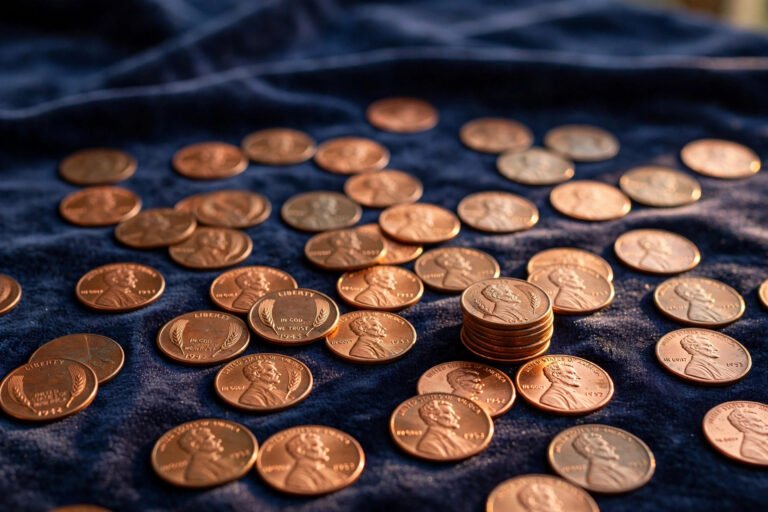
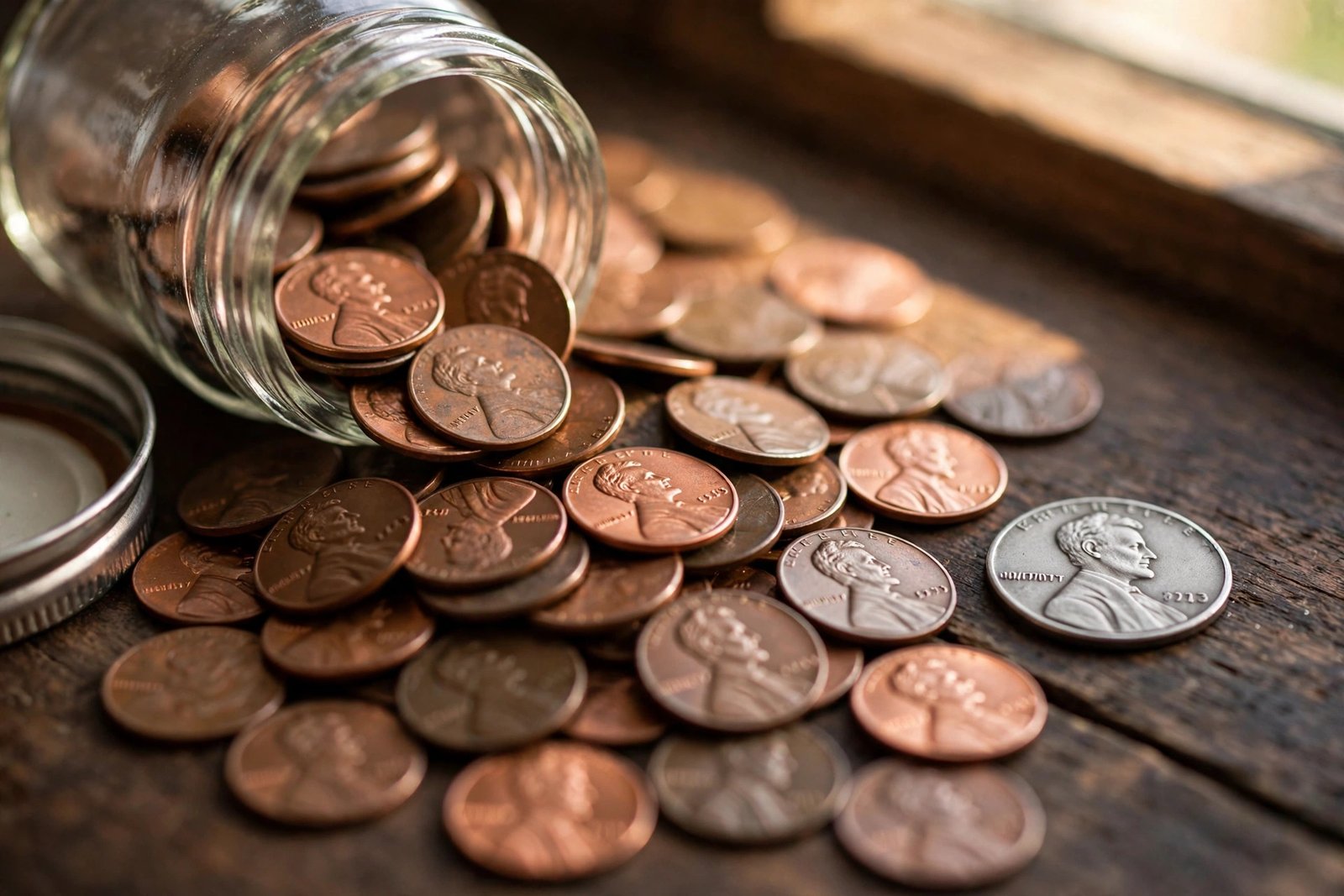
That jar of pennies on your dresser? Most of it is worth one cent. But a few pennies — real ones, still found in pocket change and old rolls — are worth hundreds, thousands, and in one famous case, hundreds of thousands of dollars. Here are the ones to actually look for, and how to tell a real one from a copy.
Quick answer — check for these first: 1943 copper (bronze) cent, 1944 steel cent, 1909-S VDB, 1914-D, 1955 Doubled Die, 1969-S Doubled Die, 1992 Close AM. Details and values below.
1. 1943 Copper Penny — the king
In 1943 pennies were supposed to be steel, to save copper for WWII. A few bronze blanks from 1942 were left in the presses and struck by mistake. Real examples have sold for $100,000 to over $300,000+ at auction, depending on mint and grade. Test: a real 1943 should be copper-coloured AND stick to NOTHING — copper is not magnetic. If yours is copper-coloured but a magnet sticks, it’s a copper-plated steel fake (very common).
2. 1944 Steel Penny — the opposite mistake
In 1944 the Mint went back to copper — but a few leftover steel blanks got struck. These are magnetic, grey, and dated 1944. Genuine pieces have sold for $75,000–$180,000+. Check the date carefully and test with a magnet.
3. 1909-S VDB — first year, famous initials
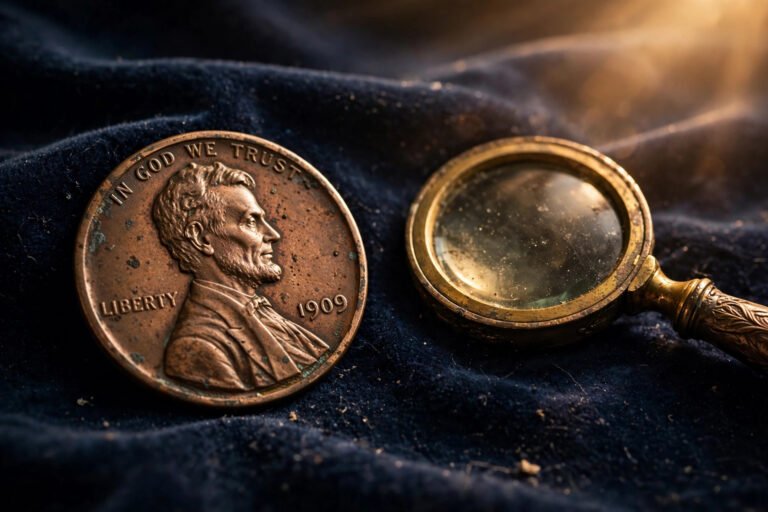
The first Lincoln penny, minted in San Francisco (“S” under the date), with designer Victor David Brenner’s “VDB” in large letters on the back. Only 484,000 were made before the initials were removed. Worth roughly $1,000+ in nice circulated condition, far more uncirculated.
4. 1955 Doubled Die — the doubling you can see without a microscope
Date and lettering on the front are dramatically doubled. One of the most recognised error coins in the world: $1,000+ even circulated. Don’t confuse it with flat, shelf-like “machine doubling”, which adds no value — the real one has thick, split, rounded doubling.
5. 1877 Indian Head Penny — the key before Lincoln
Lowest-mintage regular Indian Head cent (about 852,000). Even worn examples are worth hundreds; sharp, original examples reach five figures.
6. Modern ones people miss
- 1992 / 1992-D Close AM: “AM” in AMERICA on the back is touching. $2,000+ in top condition.
- 1999 Wide AM: the opposite — wide gap between A and M. $150+.
- 1982-D Small Date on copper: weigh it. Copper = 3.11g, zinc = 2.5g.
What to do if you think you found one
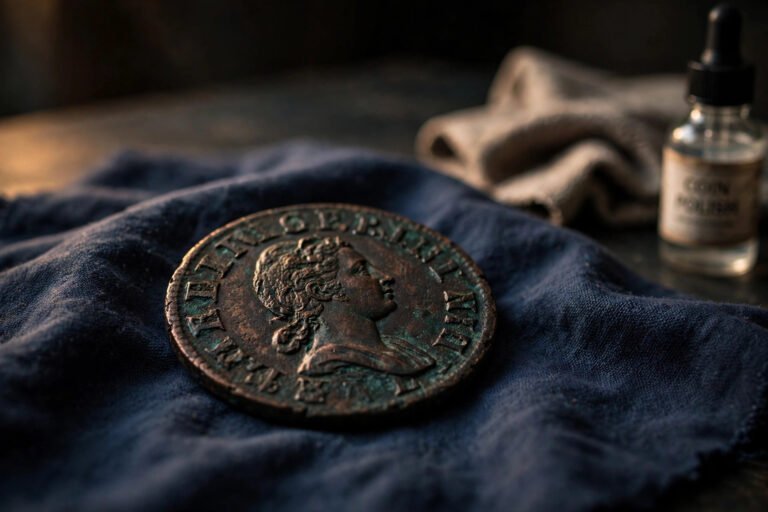
- Do NOT clean it. Ever. Cleaning can cut the value by half or more.
- Hold it by the edges, put it in a coin flip or soft cloth.
- Photograph both sides next to a magnet test / scale reading if relevant.
- Compare date, mint mark and weight with a reference guide.
- If it still matches, get it certified (PCGS or NGC) before selling — every coin on this list is faked, and buyers pay full price only for certified examples.
Values are estimates based on grade, authenticity and demand at the time of writing (Oct 2026) and change with the market. This post will be updated.
FAQ
Is a 1943 steel penny rare? No — over a billion were made. Worth about 45 cents to $10 depending on condition. It’s the copper 1943 that’s rare.
How can I tell copper from zinc pennies after 1982? Weight: 3.11g vs 2.5g.
Should I clean an old penny to make it shine? No. Collectors want original surfaces. A cleaned coin is a damaged coin.
Where do I sell a valuable penny? Start with a reputable dealer for an opinion, and certify key dates before any big sale.