How to Sell Your Coins Safely (Dealer, Auction, or Grading First?)
How to Sell Your Coins Safely (Dealer, Auction, or Grading First?)
Selling a coin well is mostly not about the sale. It is about the five decisions you make before anyone sees it: what it is, what grade it honestly is, what similar coins have actually sold for, whether it should be certified first, and who the right buyer is.
Get those right and selling is simple. Get them wrong and the same coin can leave hundreds of dollars on the table — or, worse, disappear into a lowball offer you accepted too fast. This guide walks through the whole process in order, including the safety rules that protect you and the coin.
Quick answer
Identify the coin (date, mint mark, type), grade it honestly and conservatively, then check recent sold prices — auction archives and eBay sold listings, never asking prices. If the coin may be worth a few hundred dollars or more, so its expected value comfortably exceeds grading and shipping fees, consider PCGS or NGC certification before selling. Dealers pay fastest but below retail, auctions suit valuable certified coins and charge seller fees, and online marketplaces add fees plus counterfeit and return risk. Photograph everything, get offers in writing, and never ship a valuable coin without an agreed, insured method.
Step by step: from shoebox to sold
1. Identify the coin properly
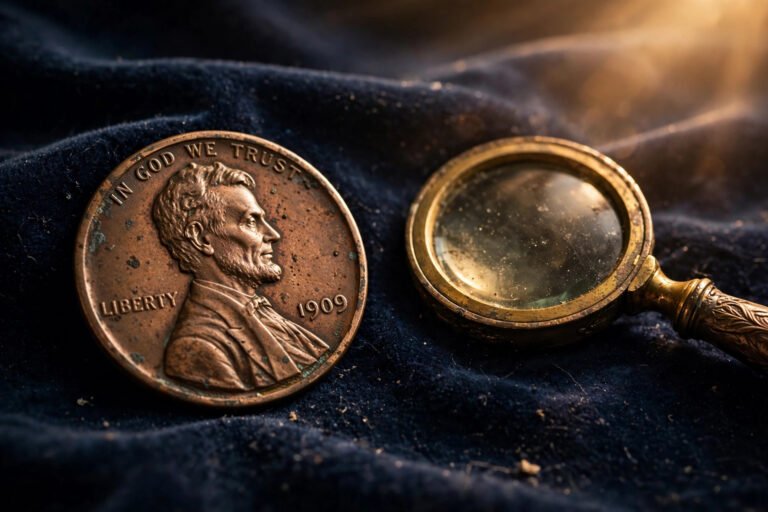
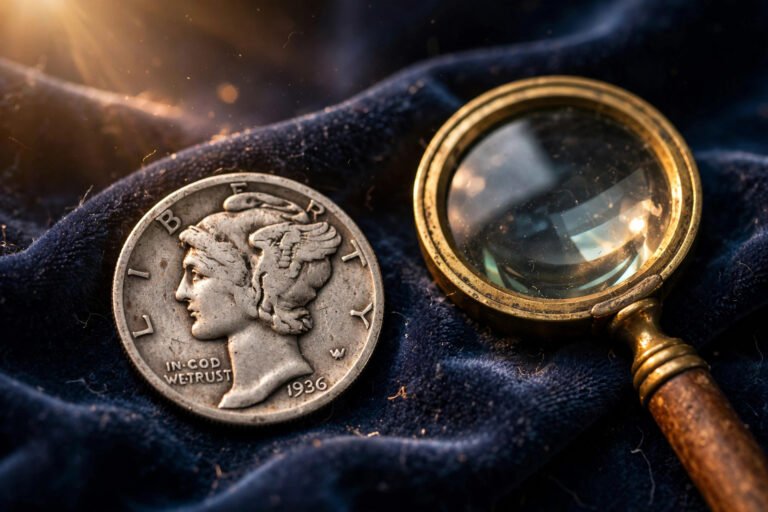
Date, mint mark, denomination, and type — in that order. A single mint mark letter can be the difference between a common coin and a key date, so look carefully under good light. If it is a cent, start with The Most Valuable Pennies Still Hiding in Circulation and the Wheat Penny Value Guide to make sure you are not holding something special without realising it.
2. Estimate the grade honestly
Buyers will grade your coin their way, not yours. Use our beginner’s guide to grading a coin, write the grade as a range, and price from the lower end. If the coin has been cleaned, say so to yourself now — a details-grade coin is priced completely differently, as we explain in Never Clean a Coin.
3. Check sold prices, not asking prices
Asking prices are wishes. Sold prices are facts. Look at completed auction results and eBay sold listings for the same date, mint mark, and grade band, and favour the most recent sales. Ignore the single highest result unless your coin truly matches it in grade and certification — the typical recent sale is your realistic guide.
4. Decide: grading first, or sell it raw?
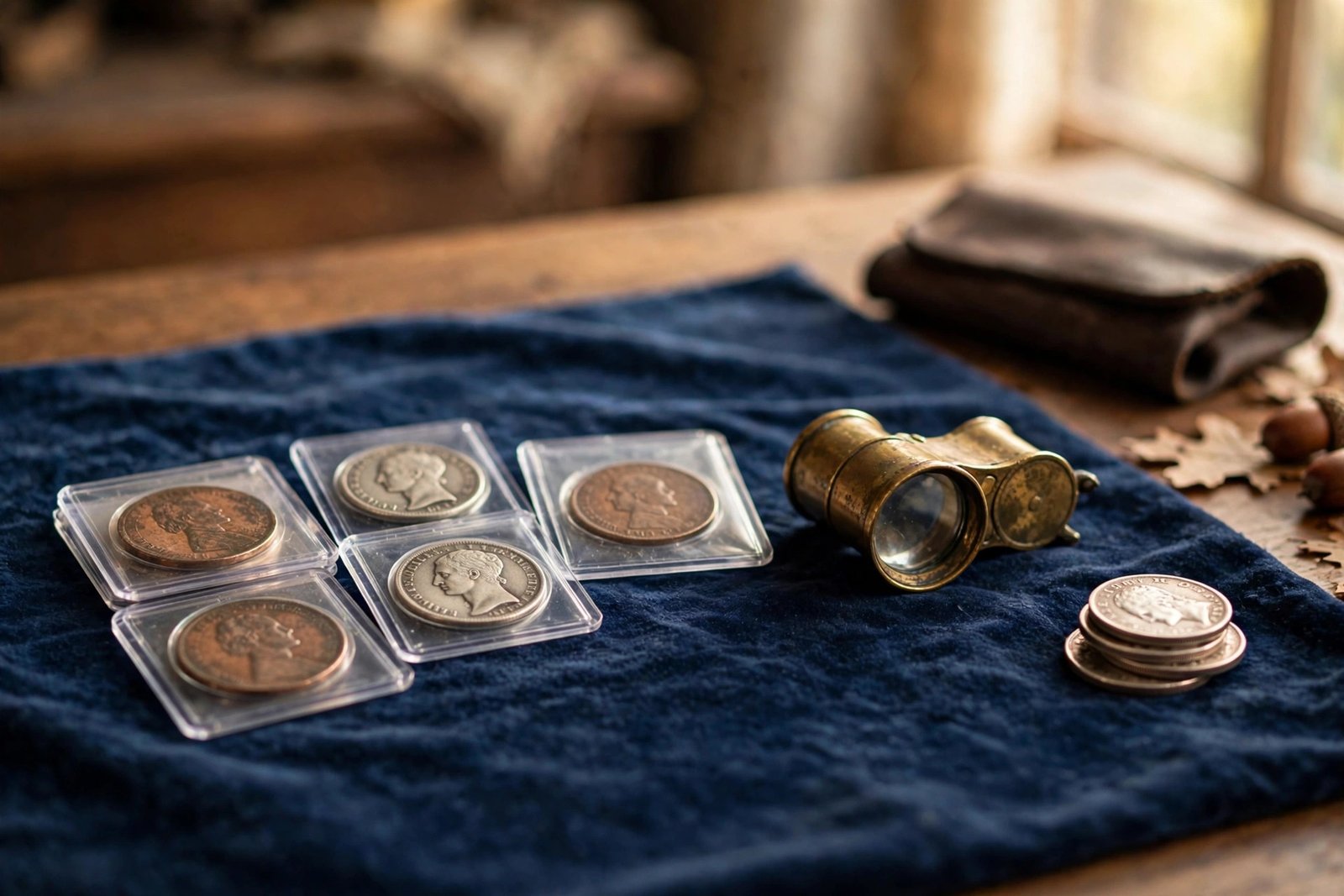
Certification does three things: it confirms the coin is genuine, gives it a trusted independent grade, and puts it in a sealed holder buyers recognise. Those things cost money — grading fees plus insured shipping both ways.
A workable rule of thumb: consider certifying when the coin may be worth a few hundred dollars or more, so the expected value comfortably exceeds those costs and the likely price lift from being certified. Below that level, certification usually eats the profit. Above it — especially for key dates, which are faked often — a PCGS or NGC holder can be the difference between suspicion and a strong price.
5. Choose your buyer
| Route | Speed | What you typically get | Watch out for |
|---|---|---|---|
| Local coin dealer | Fastest, often same day | Below retail — the dealer must resell at a profit | Get a second quote on anything valuable |
| Major auction (Heritage, Stack’s Bowers, GreatCollections) | Slowest, weeks to months | Strong prices for valuable, certified coins | Seller fees, consignment terms, waiting |
| Online marketplace | Medium | Near retail for common-to-midrange coins | Platform fees, returns, counterfeit disputes |
| Coin show / local club | Medium | Varies, several buyers in one room | Cash security, compare offers on the spot |
Heritage, Stack’s Bowers, and GreatCollections are real, established US coin auction firms, and they suit exactly the top end of that table: genuine rarities and certified key dates. For a jar of common-date wheat cents, that route is the wrong tool — a dealer or a marketplace listing will serve you better.
Safety rules that are not optional
- Photograph everything before it leaves your hands — both sides, the holder label if it is certified, and the package as you seal it.
- Get offers in writing. A verbal number that changes later is a problem you can avoid with one email or a written quote.
- Never ship a valuable coin before agreeing the method — insured, tracked, and with the value declared honestly. Agree who pays for that insurance before the box is sealed.
- Beware “we buy gold” style lowball offers for rare coins. Shops built to buy metal by weight will price a rare coin like metal. A key date deserves a numismatic buyer, not a scale.
- Meet safely for local sales. A bank lobby or a dealer’s shop beats a car park, and for a valuable coin, do not go alone.
- Take your time. No legitimate buyer needs your answer in the next ten minutes. Urgency is a sales technique, not a fact about your coin.
Common mistakes when selling
- Selling to the first buyer without a second opinion. The first offer teaches you the floor, not the value.
- Cleaning or “improving” the coin before selling. This destroys value instantly and permanently. Sell it exactly as it is.
- Pricing from one unsourced internet claim. One viral price is not a market. Recent sold results are.
- Removing a coin from its certified holder to photograph it or “check” it. The holder is part of what the buyer is paying for.
- Under-insuring a shipment to save a few dollars. If the worst happens, you recover what you declared — nothing more.
A quick word on tax
Tax rules on selling collectibles do exist, and they vary with your situation and how long you held the coin. This article is not tax advice, and coin blogs are not the place for it — if you sell anything of significant value, ask a tax professional what applies to you before, not after, the sale.
FAQ
Should I get every coin graded before selling it?
No. Certification pays when the coin’s expected value comfortably exceeds grading, shipping, and insurance — as a rule of thumb, when it may be worth a few hundred dollars or more. For common coins, sell them raw and keep the fees in your pocket.
Why is a dealer’s offer lower than the prices I see online?
Because the online prices you see are usually retail or asking prices, and the dealer has to resell the coin, cover their costs, and take the risk while it sits in stock. A fair dealer offer below retail is normal. An offer far below recent sold prices, with no explanation, is your cue to get a second quote.
Is it safer to sell a valuable coin at auction or to a dealer?
Both are established routes, and safety depends more on the details than the label. Auctions give you an established firm, a written consignment agreement, and a wide pool of bidders, in exchange for fees and time. Dealers give you speed and a written offer you can accept or refuse on the spot. For a genuinely valuable certified coin, many sellers accept the auction wait.
Someone offered to buy my whole collection, sight unseen, for cash. Should I take it?
Be very cautious. A sight-unseen bulk offer is almost always priced for the worst case, which means it assumes nothing you own is special. Have the key dates identified and valued separately first — a collection sum should be built from its best coins, not despite them.
Values are estimates based on grade, authenticity and current market demand at the time of writing (October 2026). A cleaned, damaged or counterfeit coin is worth far less. Get valuable coins certified by PCGS or NGC.