The Tennessee Mason Jar Hoard: Why Everyone Is Suddenly Searching for Buried Coins
Five mason jars, buried beside a fieldstone wall in southern Middle Tennessee, full of gold and silver coins. That is the story behind one of this week’s biggest coin searches.
First, an honest correction to the excitement: this is not a brand-new discovery. The Tennessee hoard was found in 2018. It is trending now because a retelling of the story was published on November 2, 2026, and searchers piled in. On Google Trends (United States), “coin” hit the top of its 7-day chart at 11:00 AM on November 2, and “buried treasure coin hoard Tennessee,” “buried treasure coin hoard,” and “coin hoard Tennessee” all registered as Breakout rising queries — Google’s label for increases too large to put a percentage on. The story is old, but the curiosity is fresh, and it is a perfect excuse to explain how real coin hoards work.
Quick answer
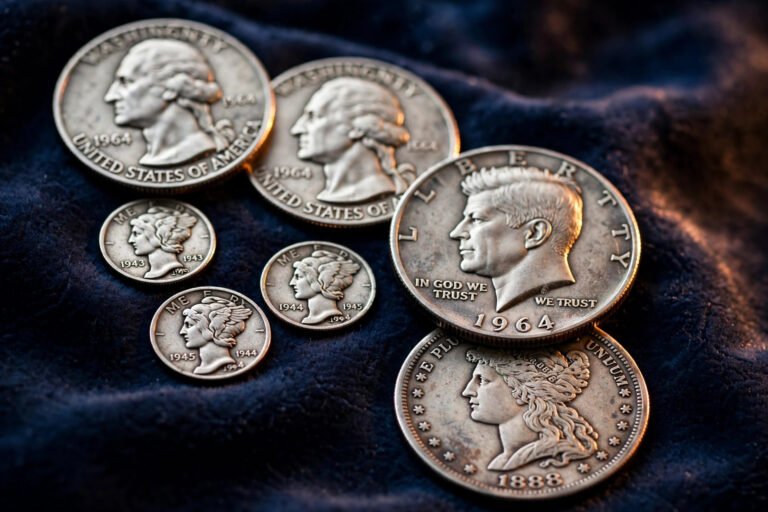
What happened: In 2018, a couple who had bought a farmhouse in southern Middle Tennessee found five quart-sized mason jars of gold and silver coins buried beside a fieldstone wall, after rain erosion exposed the jar lids. Nashville dealer Kyle Dunbar of Nashville Gold & Coin later bought the hoard: hundreds of coins, mostly pre-1933 gold with Morgan and Peace dollars mixed in (AgWeb, story published November 2, 2026, recounting the 2018 find).
Why it is trending: The retelling drove “coin” to a 7-day Trends peak of 100 on November 2, 2026, with the Tennessee hoard queries breaking out alongside “gold coin” and “silver coin” (Google Trends, United States, past 7 days).
What it was worth: No total price was ever published. Dunbar called it “a very substantial sum” and said the coins gave back “a sizable chunk” of what the couple paid for the whole property. Anyone quoting an exact dollar figure for this hoard is guessing.
How five jars of coins ended up under a wall
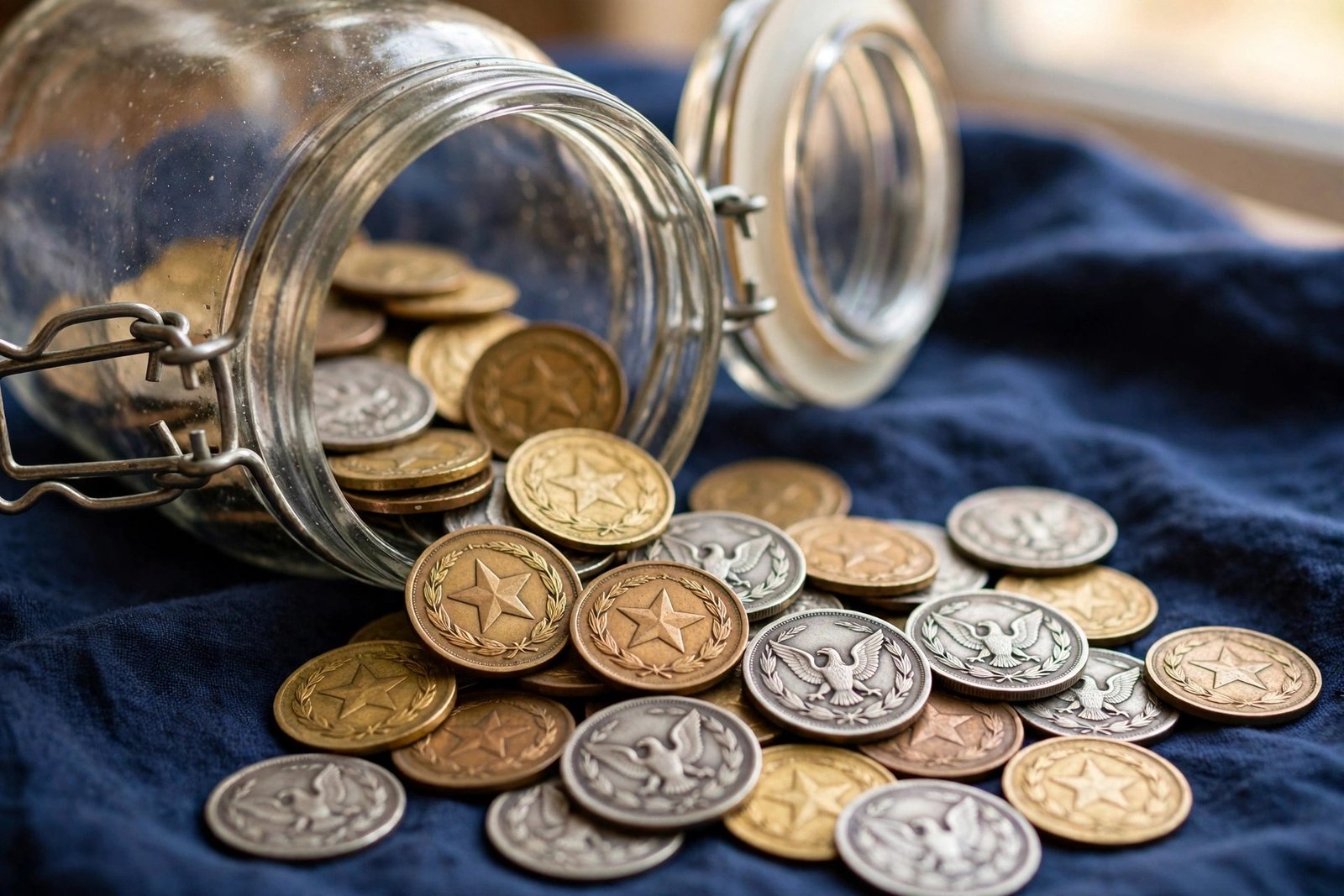
The finders, called John and Jane Doe in the retelling, had bought the farmhouse from an elderly man with no heirs. Months later, they hired a worker to clean the gutters. From the top of his ladder, the worker caught a glint of sunlight at the base of a stacked fieldstone wall. Rain runoff had eroded the soil and exposed metallic lids, and the three of them dug up five quart-sized mason jars, each packed with coins.
Cautious about who to trust, the couple phoned Dunbar with only hints — “old, gold, silver, coins” — and showed him a few samples weeks later before inviting him to their bank to see the whole cache. His verdict on first sight: the coins were plainly real, with the musty smell and patina of coins kept underground or in damp storage for a long time. His best guess, and he stressed it was a guess, is that the coins were buried by the farm’s previous owner and had sat there for several decades. The coins ranged from the late 1800s to the early 1900s, and the gold was mostly pre-1933 — coins struck before President Franklin D. Roosevelt’s 1933 gold recall, after which most US gold coins were melted down. That melting is a big part of why pre-1933 gold is scarce today: the government turned millions of gold coins into bars, so the survivors carry a premium over their metal content.
Why people buried their money in the first place
To a modern reader, burying jars of gold sounds like something from a pirate story. For much of American history it was ordinary, cautious behavior. Before federal deposit insurance arrived in 1933, a bank failure could wipe out a family’s savings overnight, and in the 1800s banknotes issued by individual banks sometimes became worthless — while gold and silver coins held their value regardless. Rural families often lived far from a bank, and a strongbox at home was a target for thieves. The sad part of almost every hoard story is that the secret died with its keeper: the person who buried the coins died without telling anyone, or the family sold the property. That is how a life’s savings becomes someone else’s discovery decades later.
America’s most famous buried hoards
The Tennessee find is far from the only one. Here are the verified landmarks every beginner should know:
| Hoard | Found | What it held | Reported value |
|---|---|---|---|
| Baltimore Hoard | 1934, Maryland | 3,558 US gold coins from the 1830s–1850s in two copper pots, found by two teenagers digging in a basement | $11,420.50 face value |
| Saddle Ridge Hoard | 2013, Northern California | 1,427 gold coins, 1847–1894, in eight cans, found by a couple on their own property | $27,980 face value; assessed at about $10 million |
| Great Kentucky Hoard | 2023, Kentucky | More than 700 gold coins, 1840–1863, found in a cornfield; certified by NGC | Reported sold for about $3 million |
| Tennessee mason jar hoard | 2018, Tennessee | Hundreds of coins in five mason jars, late 1800s–early 1900s, mostly pre-1933 gold plus Morgan and Peace dollars | Not disclosed; described as “a very substantial sum” |
What the famous hoards share: they were found on private property by people who had a right to be there, and the coins were overwhelmingly ordinary circulating coins of their day — someone’s savings, not pirate treasure.
What hoard coins are actually worth
Hoard coins get their value from what the coin is, what condition it is in, and what metal it contains. The Tennessee hoard’s coins were weathered from burial, which Dunbar said affected their condition — and condition is where collector value lives or dies. The table below gives the metal-only value of the coin types named in the Tennessee story, using spot prices reported on November 3, 2026: gold at $3,926.52 an ounce and silver at $49.71 an ounce (Reuters, November 3, 2026). These are floors, not selling prices — common pre-1933 gold coins typically trade above melt, and rare dates trade far above it.
| Coin type in the hoard | Pure metal content | Rough melt value at Nov 3 prices |
|---|---|---|
| $20 double eagle (pre-1933 gold) | 0.9675 oz gold | ~$3,799 |
| $10 eagle (pre-1933 gold) | 0.4838 oz gold | ~$1,899 |
| $5 half eagle (pre-1933 gold) | 0.2419 oz gold | ~$950 |
| $2.50 quarter eagle (pre-1933 gold) | 0.1209 oz gold | ~$475 |
| Morgan or Peace silver dollar | 0.7734 oz silver | ~$38.44 |
A single common Morgan dollar holds under $40 in silver at today’s price — the big numbers in hoard stories come from hundreds of coins added together, plus any rare dates hiding among the common ones. Our Morgan dollar guide explains which dates actually carry big premiums.
What to look for — your checklist
If you ever inherit, buy, or stumble on a group of old coins, work through this before anything else:
- Do not clean anything. Buried coins look dirty, and that dirt is part of their story. Cleaning strips value instantly and permanently, as Dunbar himself warned about this very hoard. Our guide to the mistakes that destroy value starts with cleaning.
- Sort by date and denomination first. Separate pre-1933 gold from silver dollars from everything else, and set aside anything dated 1964 or earlier — that is where the silver is.
- Check for the rare ones before thinking about melt. In a jar of common coins, one rare date can be worth more than the rest combined. The Great Kentucky Hoard, for example, contained rare doubled-die and repunched-date varieties among otherwise ordinary gold dollars.
- Weigh gold coins. A genuine $20 double eagle weighs 33.44 grams. A fake or a gold-plated copy usually does not — weight is the fastest reality check you can do at home.
Warnings: permission, ownership, and fakes
Never dig on land that is not yours. Every famous hoard was found on private property by someone with a right to be there. Digging on someone else’s land, a park, a battlefield, or a historic site without permission can be trespassing or illegal, and finds on public land often belong to the government.
Ownership can be complicated. Found property law varies by state, and a hoard can attract claims from former owners or heirs. If you find something significant, get professional advice before selling — this blog is not a legal guide.
Hoard hype breeds fakes. Whenever a hoard trends, replica “hoard coins” and gold-plated copies flood online marketplaces. Anything genuinely valuable should be certified by PCGS or NGC before you pay a collector price for it.
What to do if you find old coins
Leave them exactly as found and handle them by the edges. Photograph the coins and where you found them, and write down the date and circumstances. Then get an appraisal from a reputable dealer, and consider PCGS or NGC certification for anything that might be rare. Our guide to selling coins safely covers the dealer-versus-auction choice. Do not rush to sell: a trending story is not a deadline.
Is the Tennessee coin hoard a new discovery?
No. The coins were found in 2018. The story is trending in November 2026 because a retelling was published on November 2, 2026, and searches for “buried treasure coin hoard Tennessee” broke out the same day.
How much was the Tennessee hoard worth?
That was never published. The dealer who bought it, Kyle Dunbar, described the price only as “a very substantial sum.” Any article giving an exact total for this hoard is inventing it.
Could there be a hoard buried on my property?
Possible but very unlikely — and never dig up a yard on a guess. Real hoards surface when land changes hands, old houses are renovated, or erosion exposes something.
What should I do if I find a jar of old coins?
Do not clean them, photograph them where they lie, and get them appraised by a reputable dealer. Keep records of where and when you found them, and get professional advice before selling if the find is large.
Values are estimates based on grade, authenticity and current market demand at the time of writing. A cleaned, damaged or counterfeit coin is worth far less. Get valuable coins certified by PCGS or NGC.